
Thalassemia
Microcytic Hypochromic Codocytosis (Alpha & Beta Globin Defects)
Comprehensive Medical Definition
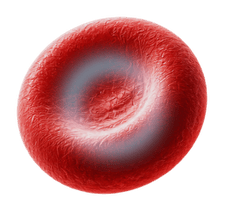
Thalassemia is an inherited hemoglobin synthesis disorder characterized by the absent or deficient production of normal alpha or beta-globin chains. Without balanced globin chains, the body cannot form healthy adult hemoglobin (HbA). Red blood cells become microcytic (unusually small), hypochromic (pale), and fragile, exhibiting a distinctive 'target cell' morphology. The bone marrow attempts futile, ineffective erythropoiesis, leading to massive expansion of marrow cavities, facial bone deformities, profound anemia, and extreme dependence on regular blood transfusions.
Clinical Presentation & Primary Symptoms
Treatment Protocols & Clinical Management
- Regular leukodepleted, phenotypically matched packed red blood cell transfusions (every 2–4 weeks)
- Daily oral or subcutaneous Iron Chelation Therapy (Deferasirox, Deferiprone, or Desferrioxamine) to prevent lethal hemosiderosis
- Regular serum ferritin monitoring and T2* cardiac and hepatic MRI assessments
- Splenectomy consideration in patients with hypersplenism and escalating transfusion requirements
- Curative Allogeneic Hematopoietic Stem Cell Transplantation (BMT) from matched sibling or unrelated donors
Potential Complications Requiring Vigilance
Gold Standard Screening
Automated HPLC (Quantification of HbA2 > 3.5% & elevated HbF) & Molecular Mutation Analysis
Government Welfare Entitlement
Recognized disability under the RPwD Act, 2016. Patients holding official UDID Cards receive free blood transfusions, transport concessions, and state welfare allowances.
Read About Our UDID Card MilestonePremarital Carrier Screening
Mandatory carrier screening before marriage ensures that trait carriers (Beta-Thalassemia Minor) can receive expert prenatal genetic counseling and avoid giving birth to transfusion-dependent Thalassemia Major children.